
The Viewpoints Fellowship
Problem: Existing efforts often fail to reach those who don’t already care about dialogue — leaving many students unprepared to navigate conflict or ideological difference.
Solution: A peer-led, year-long fellowship empowering club leaders to use curious disagreement to achieve club and campus goals.
About the Fellowship
Click to learn more about our impact
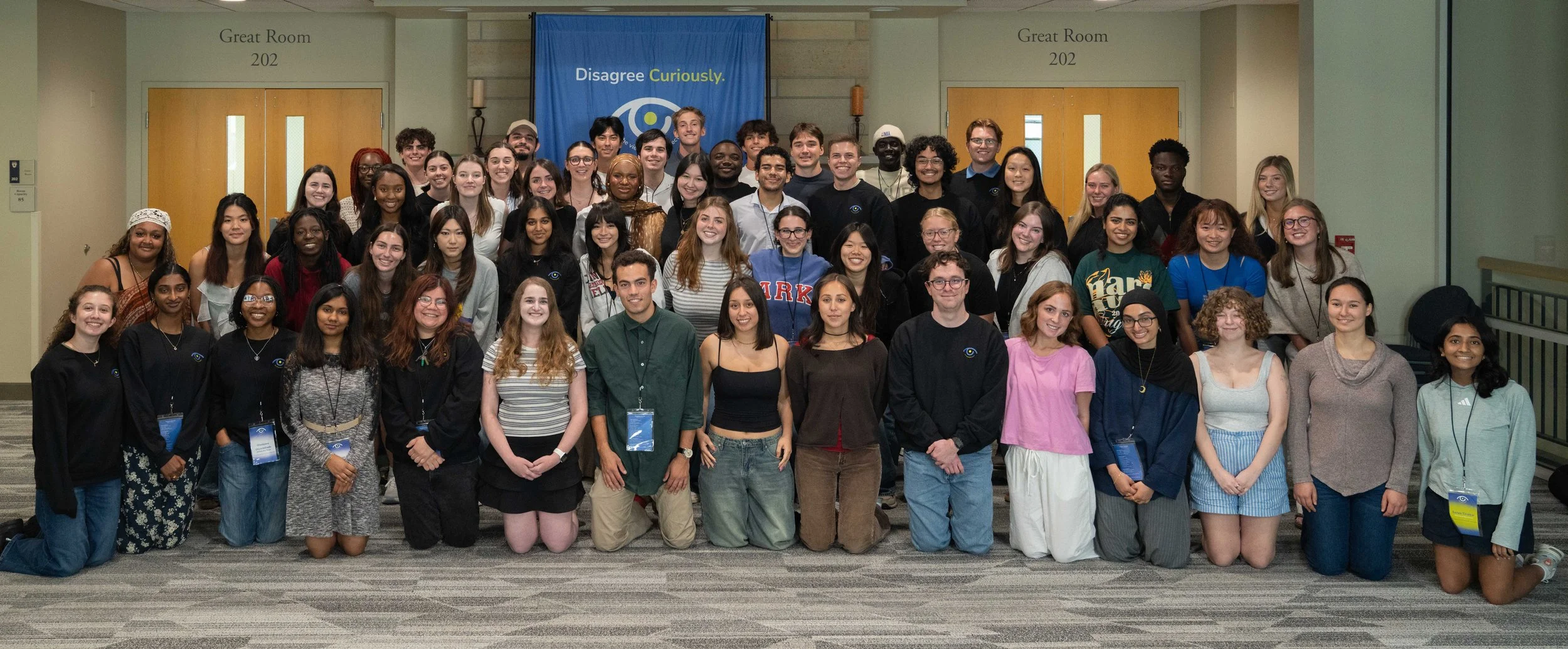
Fellows are student organization leaders on their campuses. Throughout the year, they:
Attend 3-day, in-person, peer-led retreat building skills for curious disagreement.
Build a club program introducing curious disagreement to your club as a framework to address shared goals.
Work as a campus group to create a campus capstone project.
Throughout the year, fellows gain:
A national network and ongoing training
LinkedIn certification in Curious Disagreement
Need-based stipend.
Possibility for club funding.
Current partners: Dartmouth, Carnegie Mellon, Brigham Young University, University of Delaware, Elon University, and University of St. Thomas
Bring the Viewpoints Fellowship to your campus! Learn more here.

What Makes Us Unique?
We did the landscape analysis for you! Learn more about what unique needs our fellowship fills, and how our program may complement existing ones on your campus:
-
By training organizational leaders and empowering them to run programming that both deploys curious disagreement and achieves club goals, our programming is able to reach different populations without feeling forced.
-
TVF is designed and led by students, for students, using a peer mentorship and train-the-trainer model to make the material feel relevant and exciting.
-
TVF partners with campuses to ensure institutional memory, invites alumni back as mentors for future years, and provides year-long programming and an alumni network to sustain the impact.
-
Our fellowship is designed to be unique and complementary - we fit seamlessly onto campuses, whether schools have a robust program around dialogue, or are just getting started.
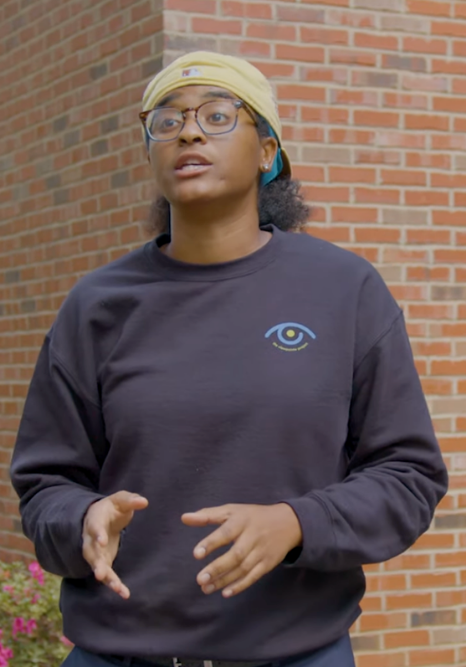
Fellow Spotlight: Nailah from Elon University
Nailah is the president of a Limitless, a hip hop music performance group at Elon University. When she applied to the fellowship, she shared that her club was struggling to productively engage on the question of who got to perform songs which included racially charged language.
During the retreat, Nailah was inspired by the skill of making generous arguments for challenging ideas, as well as the case study role play exercise about climate change.
So, for her club project, she wrote her own case study about the history of racial language in hip hop, taught her club members the skill of making generous arguments, and led them through the case study exercise.
“By analyzing real incidents, we cultivated skills in navigating disagreements and understanding diverse perspectives,” she shared afterwards. “This exploration both strengthened our club’s cohesion, and empowered members to engage constructively in broader campus conversations.”